
Understanding fashion movements and predicting trends is a vital skill to anyone working in the fashion industry. Buyers must be able to make knowledgeable decisions based upon this understanding.
Question to consider: What are some elements that cause fashion to change?
Terms:
Theories of Movement:
Trickle up
Trickle down
Trickle across
introduction;rise;peak;decline;obsolescence

Length of run:
variations
Factors can speed or slow movement
Principles of Fashion Movement
- Consumer acceptance or rejection establishes fashions
- Price does not determine fashion acceptance
- Fashion Movement is evolutionary, not revolutionary
- Fashion reaches extremes then reverses direction
Useful Websites:
Trend Forecasting Services - Many of them require a subscription, but you can still look them over. You'll notice that many are already predicting Spring/Summer 2013
The foremost color forecasters - http://www.pantone.com/pages/fcr.aspx?pg=20910&ca=4
Trend forecasting free mobile app!
Go to the following websites and look at the Trend Reports for Fall 2012.
There is a longstanding theory that economic
factors influence fashion. In tougher times, fashion becomes darker in
color, more sober and serious, and hemlines tend to become longer. In
times with a stronger economic picture, with greater optimism, fashion
tends to be brighter, shorter and more playful.
Tough Times - the Great Depression:

Tough Times - the Great Depression:
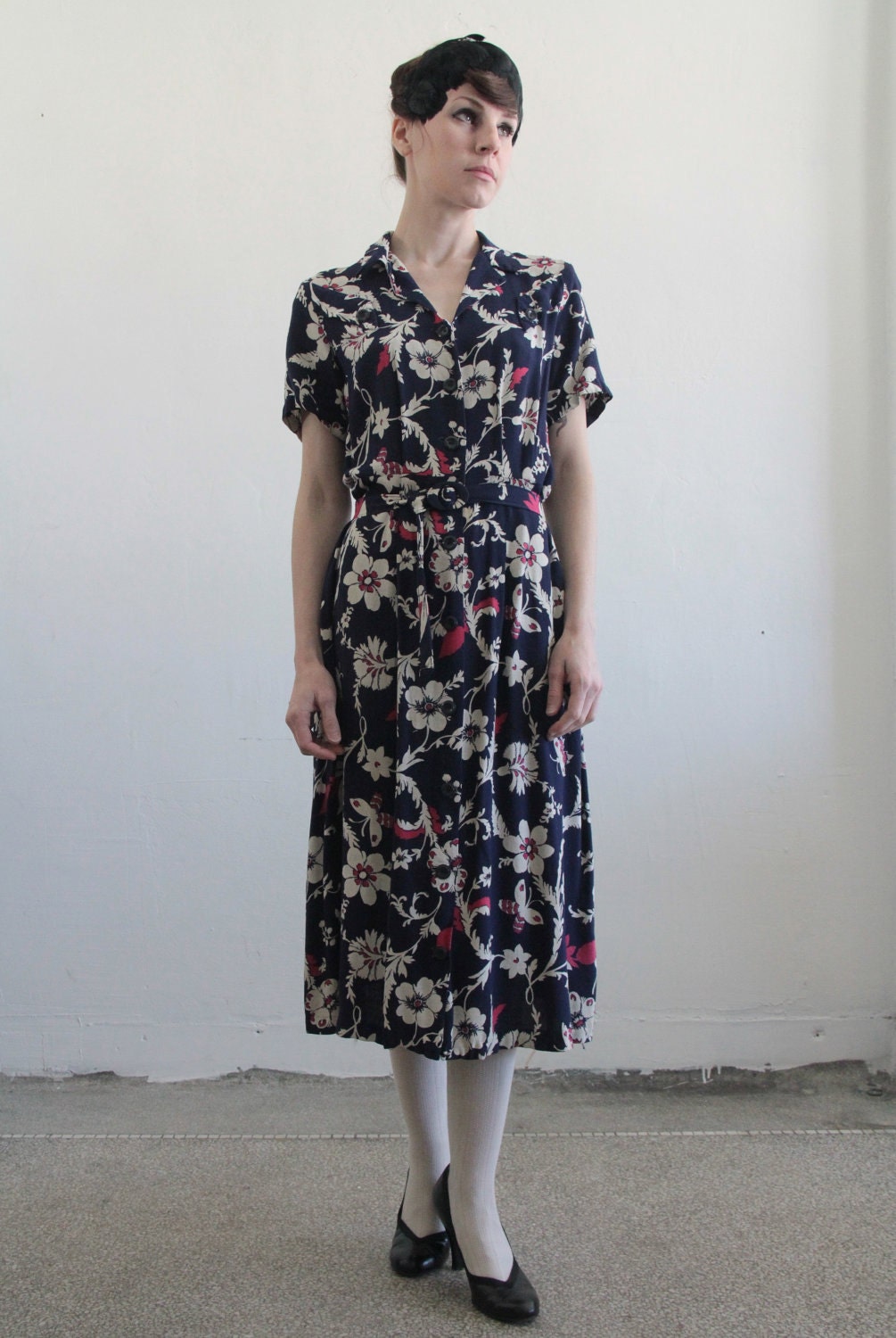
Good Times - The Roaring Twenties:


In light of this theory, analyze your prediction for the future economic
direction based upon the fashion that was shown on the fall runways.
You should present your work with visuals, either photographs or a drawing as an example from one one of the fall collections.
You should present your work with visuals, either photographs or a drawing as an example from one one of the fall collections.
Your presentation is due by 9/10/12

This comment has been removed by a blog administrator.
ReplyDeleteThe article overall was a great reading experience especially Karl lagerfeld statement "there's no fashion if nobody buys it." Also we are reminded of just how much work goes into a 3 month season..
ReplyDeleteI thought the article was interesting because i didn't know that hemlines got shorter on a skirt when the economy got bad through the years.
ReplyDeleteActually, I think it's the other way around - good times=short skirts, bad times=longer skirts.
DeleteThe exception would definitely be the early 1950's, when good times ushered in a really long, full skirt.
The short articles on how fashion influences the economy, or does the economy influence fashion was both informative and interesting. One article gave their opinion about how fashion is fashion and the economy has nothing to do with the hemlines and society makes their own predictions on what fashions they like. The other article wrote about how they agree the economy does influence the hemlines, but it also influences the way people spend money on the up keep of their haircolor and highlights, as well as their hairstyle. I agree with both articles, people are going to purchase whatever fashions they like no matter what economic state we are in or high or low the hemlines are.
ReplyDeleteKali Taylor
Yeah - I felt like both articles made good points, although they didn't agree on some. The one fact that's inescapable is that what people wear and the economy are intertwined!
DeleteIn the Article "Do short skirts really mean better times," they were saying that when the hemlines rose the economy was in good terms. But when the hemlines fell the economy was not in good shape. I think that was true back when people first starting doing that with their skirts. Just look at the Great Depression; the hemlines on the skirts were at the floor. But once we got out of the Great Depression the hemlines were slowly rising. But now, mini skirts are what people wear in the summer time, and long skirts is what people wear in the winter time.
ReplyDeleteIt's true - and one of the articles definitely argued that at this point there isn't such a strong relationship between hemlines and the economy.
DeleteI think both articles were informative. I definitely believe that the economy plays a part in what designers make, what consumers buy and what we wear. The one theory that was stated in one if the articles, is that when the economy is bad, skirts get shorter because it is less fabric to use, when you think about it, that could be true a well.
ReplyDeleteThat has been the case in some historical situations. Definitely at the close of WWII, when Dior ushered in his "New Look."
DeleteCheck it out -
http://www.metmuseum.org/toah/images/h2/h2_C.I.48.13a,b.jpg